Who Shows Up When Nobody's Watching: The Creator You Are at 3 AM

There are two versions of you making work right now.
One of them posts it. One of them doesn't.
That distinction sounds simple but it runs deeper than most creators want to admit. Because the work you make for an audience — even an imagined one, even a future one — is shaped by that audience in ways you probably can't fully see. And the work you make when you're genuinely, completely alone? That's something else entirely.
The question isn't which version is better. The question is whether you even know the difference anymore.
The Imaginary Audience Problem
Here's something that happens so gradually you almost don't notice it: at some point, you stop making things in private. Not because you're always sharing everything, but because the idea of sharing has become part of the making.
You're writing a caption while you're still in the middle of the experience. You're framing the shot before you've decided if the moment is worth keeping. You're thinking about how the process will look documented before you've figured out what the process actually is.
This is the imaginary audience problem. You don't need anyone actually watching for this to happen. The internalized viewer — the one you've constructed from years of feedback, analytics, and comments — is already in the room with you. And they change everything.
Creators who've been building an online presence for a few years often describe a weird phenomenon: they've forgotten what it feels like to make something with zero intention of sharing it. The private creative space has been colonized by public-facing instincts. The work that used to just be now always feels like it's for.
What Changes at 3 AM
The 3 AM version isn't really about the hour. It's about the conditions.
It's the work you do when you're tired enough that your self-editing brain has gone offline. When the imaginary audience has logged off. When you're not thinking about the caption or the thumbnail or the pitch — you're just making the thing because something in you needs to make it.
That version of your work tends to have a different texture. It's messier, sometimes. Less polished. But it's also more honest in a way that's hard to manufacture. The choices you make when you're not performing creativity are the choices that actually reflect what you find interesting, what you find beautiful, what you can't stop returning to even when nobody's rewarding you for it.
For some creators, that 3 AM work is embarrassing. Too raw. Too weird. Too far from what their audience expects. So it stays in a folder. Or gets deleted.
For others, it's the best thing they've ever made — and they know it, even if they're scared to show it.
The Performance of Process
There's a specific flavor of content that's become wildly popular over the last several years: the creative process video. The time-lapse of the painting. The writing session vlog. The studio session clip. And look — some of that content is genuinely interesting and valuable.
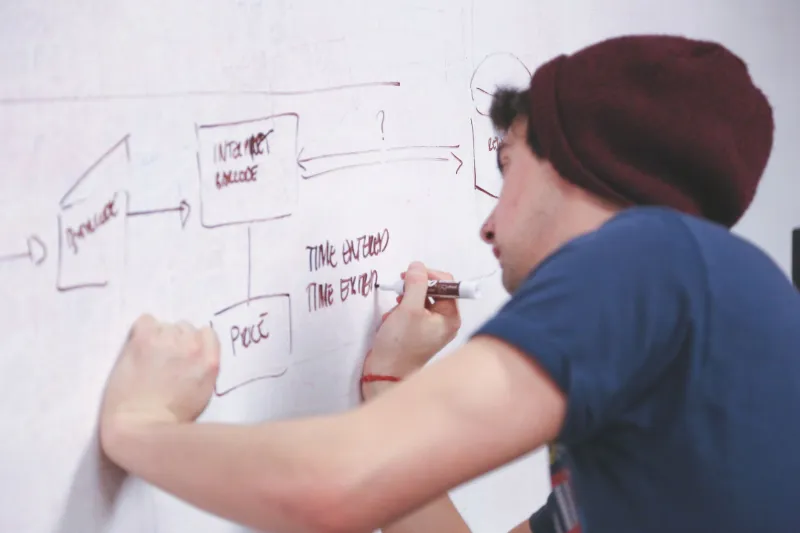
But there's a version of it that's worth interrogating. When the documentation of the process becomes part of the process itself, something changes. The painter is now also a filmmaker. The writer is also a vlogger. And the decisions they make in the studio are no longer purely creative decisions — they're also content decisions.
That's not inherently wrong. But it does mean that the work being documented is already a public-facing artifact. It's already been shaped by the camera. The 3 PM work, made for the audience watching the process, is not the same as what would've been made in private.
The uncomfortable truth is that some of the most celebrated creative work in American culture was made by people who were obsessively private about their process. Not because they were hiding something, but because they understood that the making and the showing are different acts — and mixing them too early corrupts both.
The Audit Most Creators Won't Do
Here's a practical exercise that's genuinely uncomfortable: go back through your recent work and ask, for each piece, whether you would've made it if you knew for certain it would never be seen by anyone. Not whether you'd share it — whether you'd make it at all.
Some of it, you would. That's the work that comes from genuine curiosity, genuine obsession, genuine need to get something out of your system. That's the 3 AM work, regardless of when it was actually made.
Some of it, you wouldn't. That's not a moral failing — it's just information. It tells you which parts of your output are driven by internal momentum and which parts are driven by external expectation. Both have their place. But knowing the difference matters.
The creators who make work that feels alive — the kind that makes you feel like you're getting access to something real — are usually the ones who've kept a protected space for the 3 AM version. They haven't let the imaginary audience into every room.
Protecting the Private Creative Space
This isn't an argument for never sharing your work or for treating audience-facing content as somehow lesser. It's an argument for maintaining a distinction.
Make things that aren't for anyone. Keep them, or don't. But make them. Let yourself be a creator who hasn't optimized every instinct for reception. Let the weird, unpolished, half-finished version of your creative self have some space to exist without being evaluated.
The 3 AM work is where you find out what you actually care about. The 3 PM work is how you share it with the world.
You need both. But you need to know which is which.