You're Making Work for Someone Who Doesn't Exist: How to Finally Find Your Real Audience

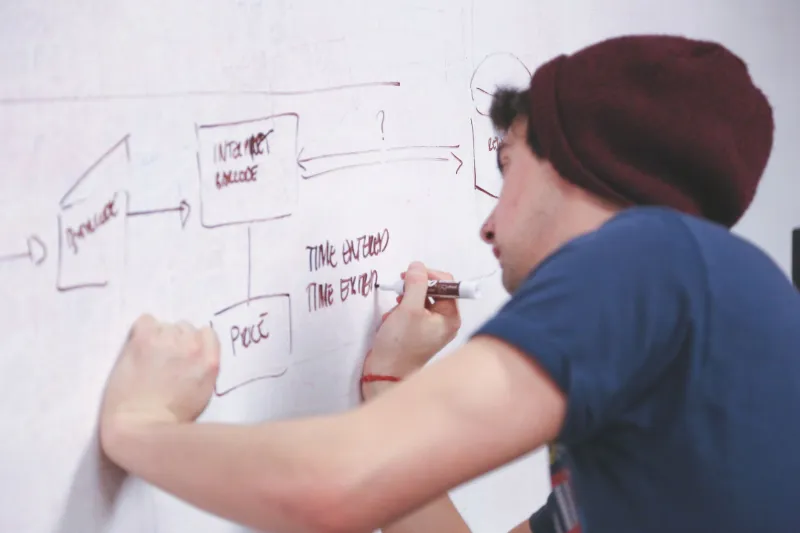
Photo: Frank Schulenburg, CC BY-SA 3.0, via Wikimedia Commons
At some point in your creative process — probably without realizing it — you started making decisions based on what an imaginary person would think.
Not a real person. Not a fan who's actually followed your work, or a client who's hired you, or a reader who's sent you a message at 11pm saying your stuff hit different. A composite person. A made-up judge assembled from equal parts: the influencer in your space whose approval you'd kill for, the critic who once left a dismissive comment, the version of yourself from two years ago who had different standards, and the vague cultural consensus of what "good work" is supposed to look like right now.
You've been performing for a ghost. And the ghost has terrible taste.
How the Phantom Audience Gets Built
This doesn't happen because you're naive. It happens because of how creative feedback actually works in the early stages of building something.
When you're starting out, you don't have much real audience data. So you fill the gap with proxies. You watch what gets traction for creators you admire. You read think-pieces about what audiences want. You absorb the aesthetic preferences of the spaces you hang out in — Twitter, TikTok, design subreddits, whatever your ecosystem is — and you start internalizing those standards as universal truths.
Eventually, you're not making decisions based on your actual audience at all. You're making decisions based on a mental model that's been assembled from everyone except the people actually consuming your work.
The result is work that's technically competent, often visually polished, and weirdly hollow. People can feel when something was made for approval rather than connection. They scroll past it. You can't figure out why.
The Three Ghosts Most Creators Are Haunted By
The Peer Ghost. This is the creator in your space whose respect you want more than actual audience growth. You make choices — aesthetic, tonal, structural — based on whether they'd think it was smart. The problem: they're not your audience. They're your competition. Optimizing for their approval is optimizing for the wrong metric entirely.
The Critic Ghost. This is the amalgamation of every negative comment, dismissive reaction, or cold reception you've ever received. You build preemptive defenses into your work to protect against this ghost's potential objections. The result is work that's been sanded down and over-explained — work that's trying so hard not to be wrong that it forgets to be interesting.
The Aspirational Self Ghost. This one's sneaky. It's the version of you that exists in the future — more successful, more respected, more refined. You make work for that person's imagined standards rather than for the actual humans who are here right now, who would genuinely connect with where you are today. This ghost keeps you perpetually overreaching, and perpetually dissatisfied.
What Your Real Audience Actually Looks Like
Your real audience is almost always more specific, more human, and more forgiving than the ghost you've been building for.
They're not looking for the most technically impressive version of your work. They're looking for the version that feels most like you — the one that solves a problem they actually have, or articulates something they've been feeling but couldn't name, or just makes them feel less alone in whatever they're navigating.
The challenge is that real audiences are harder to picture than phantom ones. They don't have the cultural cachet of the peer you're trying to impress. They're just people. Regular, specific, real people with actual needs.
So how do you find them — and more importantly, how do you start building for them?
Practical Tools for Locating Your Actual Audience
Mine your existing responses, not your impressions. Go back through every piece of work you've put out and look specifically at the responses that surprised you — the ones that came from unexpected places, the DMs from people you didn't expect, the comments that felt weirdly personal. Those are data points about your real audience. They're telling you something your imaginary audience never could.
Interview three real people. Not focus-group style. Just have a conversation with three people who genuinely engage with your work and ask them: what were you dealing with when you found this? What did you expect? What did you actually get? The answers will reframe your understanding of what your work is actually doing in the world.
Write a one-sentence audience brief. Not a demographic breakdown — a human description. Something like: "I make work for people who are trying to figure out how to be creative while holding down a life that doesn't feel creative." That's a person. That's someone you can make something for. "People aged 25-34 interested in design" is not.
Create a 'for you' file. Every time you get a response that feels like genuine recognition — not just a like, but actual resonance — save it. Screenshot it, copy-paste it, write it down. When you're in the middle of a project and you've lost the thread, go back to that file. That's who you're making it for.
The Shift That Changes Everything
When you stop optimizing for ghosts and start building for real people, something unusual happens: your work gets more specific and more effective at the same time. That feels counterintuitive — shouldn't more specific mean smaller audience? — but it doesn't work that way.
Specificity is what creates recognition. The more precisely you speak to a real human experience, the more people feel like you made it exactly for them. That feeling is what gets work shared, recommended, returned to.
The ghost never felt that way about anything you made. But the real audience? They've been waiting.